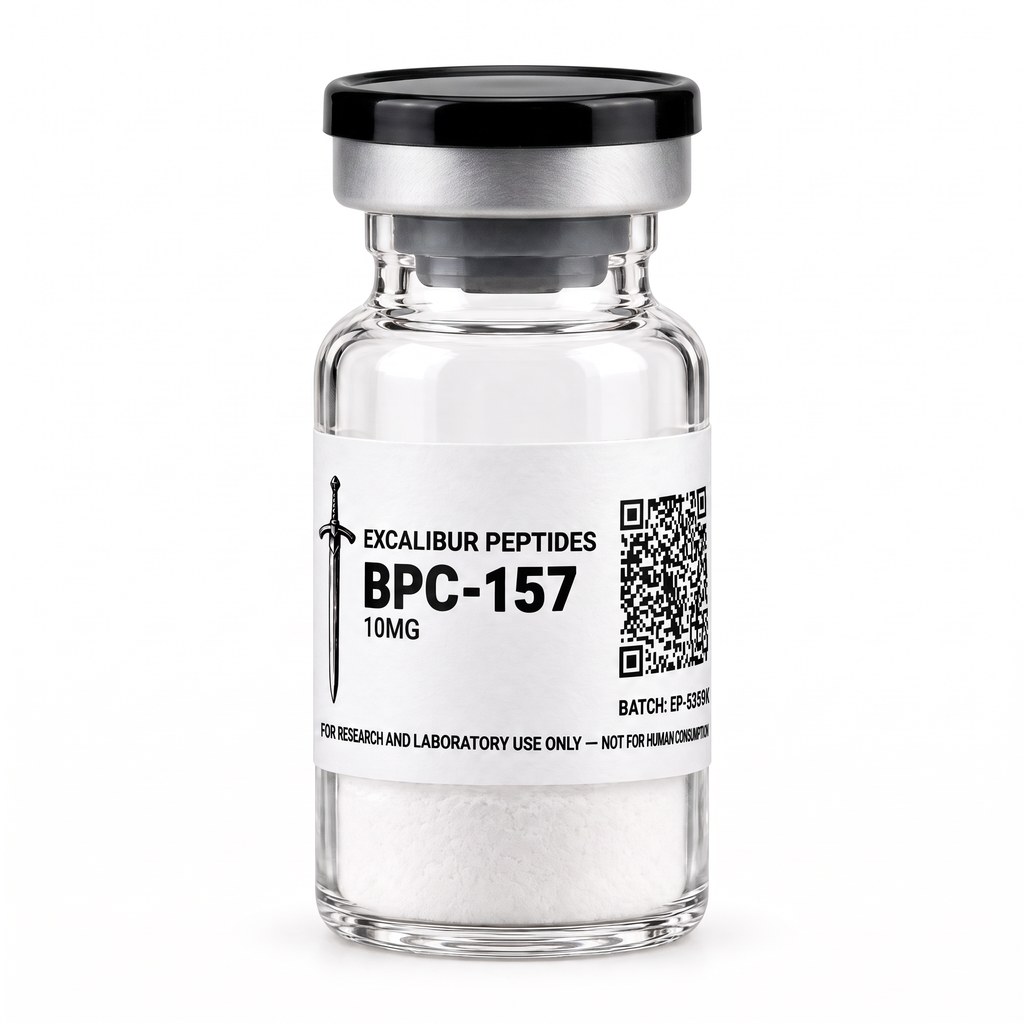
BPC-157 — Research Peptide

BPC-157 · 10mg · Purity >99% · Category: Tissue Research.

Body Protection Compound-157, a pentadecapeptide composed of 15 amino acids studied for its interactions with the FAK-paxillin and VEGFR2-Akt-eNOS signaling pathways.

FOR RESEARCH PURPOSES ONLY. Not for human consumption. Every batch ships with a third-party Certificate of Analysis verifying HPLC purity and mass-spectrometry identity.

In the evolving landscape of biological research, certain compounds consistently capture the attention of scientists and sophisticated research communities. Among these, BPC-157, a synthetically produced peptide, has consistently generated significant interest, particularly within circles keenly focused on preclinical investigations into tissue repair and physiological modulation. As we navigate 2026, the discussions surrounding BPC-157 continue to intensify, driven by an expanding body of research exploring its intricate mechanisms of action and diverse potential applications in laboratory settings.

This comprehensive overview delves into what BPC-157 is, the foundational science underpinning its observed effects, the reasons behind its sustained prominence in 2026 for research purposes, and crucial considerations for selecting a reliable supplier for your experimental needs.

For in-vitro laboratory research use only. Not for human consumption.
What is BPC-157? An Introduction to a Unique Peptide

BPC-157, or Body Protection Compound-157, is a synthetic peptide composed of 15 amino acids. It is a partial sequence of human gastric juice protein BPC, a naturally occurring peptide found in the stomach. While its natural counterpart plays a role in gastric health, the synthetic BPC-157 has demonstrated distinct properties in numerous preclinical studies, suggesting broader physiological relevance beyond the gastrointestinal tract.

Its unique stability and oral bioavailability in animal models, as demonstrated in early research, differentiate it from many other peptides which often require parenteral administration for systemic effects. This characteristic contributes to its widespread adoption in various research protocols aimed at understanding its systemic influence.

The Science Behind BPC-157: Unraveling Its Mechanisms

The scientific community has invested considerable effort in elucidating the precise mechanisms through which BPC-157 exerts its observed effects. While research is ongoing, several key pathways and interactions have been proposed and investigated:

Angiogenesis and VEGF Modulation

One of the most consistently reported observations in preclinical models is BPC-157's apparent influence on angiogenesis, the formation of new blood vessels. Studies have indicated that BPC-157 may promote the expression and activity of growth factors crucial for vascularization, most notably Vascular Endothelial Growth Factor (VEGF). Enhanced angiogenesis is fundamental to tissue repair and regeneration, as it ensures adequate nutrient and oxygen supply to damaged areas.

Fibroblast Proliferation and Collagen Synthesis

In the context of connective tissue repair, fibroblasts are critical for producing and remodeling the extracellular matrix, primarily through collagen synthesis. Research suggests BPC-157 may stimulate fibroblast proliferation and enhance collagen production, both essential processes for wound healing, tendon, ligament, and muscle regeneration. This proliferative effect has been observed in various tissue cultures and animal models.

Growth Hormone Receptor Upregulation

While not a direct growth hormone secretagogue, some preliminary research has explored BPC-157's potential to modulate growth hormone (GH) signaling pathways. Specifically, certain studies have investigated its capacity to upregulate growth hormone receptors (GHR), which could theoretically sensitize tissues to existing GH levels and enhance downstream anabolic processes. This area requires further extensive investigation.

Anti-inflammatory and Cytoprotective Effects

BPC-157 has demonstrated potential anti-inflammatory properties in various experimental models of injury and inflammation. It has been observed to modulate cytokine expression and activity, potentially mitigating tissue damage associated with inflammatory responses. Furthermore, its cytoprotective actions, particularly in gastric mucosa, have been a long-standing area of research, suggesting a broad protective capacity against diverse cellular stressors.

Why BPC-157 Continues to Trend in 2026

The persistent and growing interest in BPC-157 within specialized research communities in 2026 can be attributed to several factors:

Expanding Preclinical Evidence Base — Year after year, new preclinical studies are published, continually adding to our understanding of BPC-157's biological activities. This accumulating evidence, while predominantly from animal models and in vitro experiments, encourages further investigation.

Focus on Regenerative Medicine Research — The broader scientific pivot towards regenerative medicine naturally places peptides like BPC-157 under the microscope. Researchers are intensely exploring compounds that potentially facilitate the body's intrinsic healing capabilities.

Stability and Research Utility — The stability of BPC-157, particularly its apparent resilience to degradation in physiological environments, simplifies its administration in research settings compared to more labile peptides.

Emerging Research Directions — Beyond musculoskeletal repair, newer research directions in 2026 are exploring BPC-157's potential roles in gastric mucosal integrity, inflammatory bowel conditions in animal models, and preliminary investigations into its neuromodulatory effects.

What to Look For in a BPC-157 Source

The reliability of your research findings is directly proportional to the purity and authenticity of the compounds you use. When sourcing BPC-157 for your laboratory:

  • Purity of 99% or higher, verified through HPLC testing
  • Certificate of Analysis (COA) documents for each batch
  • Independent third-party testing for unbiased confirmation
  • Proper storage and packaging — lyophilized, sealed, with clear storage instructions
  • Supplier transparency regarding manufacturing processes and quality control

Your Trusted Source for Research-Grade BPC-157

At Excalibur Peptides, we understand the critical importance of quality and integrity in scientific research. Our BPC-157 is meticulously synthesized to achieve a purity level of 99% or higher. Each batch undergoes stringent quality control, with purity and identity HPLC-verified by independent, third-party laboratories. We provide comprehensive Certificate of Analysis (COA) documentation with every order. Researchers often pair BPC-157 with the complementary TB-500 for tissue-repair protocols.

Get BPC-157 →


References: Sikiric P. et al. (2013). J Physiol Pharmacol. 64(2):177-187 · Sikiric P. et al. (2009). Eur J Pharmacol. 606(1-3):200-207 · Smart N. et al. (2011). Circ Res. 109(6):661-671

Deeper Dive into BPC-157's Molecular Signaling Pathways

While the general mechanisms of angiogenesis and fibroblast proliferation provide a useful overview, the specific molecular events triggered by BPC-157 are far more intricate and are the subject of intense scientific scrutiny. Understanding these deeper pathways is critical for designing precise in-vitro experiments and interpreting data. Current research points to BPC-157's interaction with several key signaling cascades that govern cellular response to injury.

The FAK-Paxillin Axis and Cell Migration

A cornerstone of BPC-157 research involves its proposed interaction with the Focal Adhesion Kinase (FAK) signaling pathway. Focal adhesions are complex protein structures that link the cell's internal cytoskeleton to the extracellular matrix (ECM). They act as sensory and signaling hubs, translating external physical cues into intracellular biochemical signals that direct cell behavior, including adhesion, proliferation, and migration.

In studies using tendon fibroblasts in culture (Chang et al., 2011), the introduction of BPC-157 was observed to induce a dose-dependent increase in the phosphorylation of FAK and paxillin, another key focal adhesion protein. Phosphorylation is a molecular switch that activates these proteins. Activated FAK (p-FAK) initiates a signaling cascade that reorganizes the actin cytoskeleton, the cell's internal scaffolding. This reorganization is essential for forming structures like lamellipodia and filopodia, which are the "feet" that cells use to crawl and migrate. The increased phosphorylation of FAK and paxillin observed in the presence of BPC-157 is thought to directly contribute to the accelerated migration of fibroblasts to the site of a simulated "wound" in a culture dish. This "wound healing assay" is a standard in-vitro model for studying cell migration. The effect appears to be rapid and sustained, suggesting BPC-157 may act as a potent modulator of the cellular machinery responsible for closing tissue gaps.

Modulation of the Nitric Oxide (NO) System

Nitric Oxide (NO) is a highly versatile signaling molecule involved in a vast array of physiological processes, including vasodilation (the widening of blood vessels), neurotransmission, and immune response. However, dysregulation of the NO system can lead to cellular damage and dysfunction. BPC-157 has been investigated for its potential to stabilize and modulate NO signaling, particularly under conditions of physiological stress.

In various animal models, such as those involving drug-induced gastric lesions or systemic hypertension, the administration of BPC-157 appeared to counteract the detrimental effects of both NO synthase (NOS) blockade and NO overproduction (Sikiric et al., 2014). For example, when L-NAME, a compound that inhibits NOS and reduces NO production, was administered, BPC-157 seemed to mitigate some of the resulting pathology. Conversely, when L-arginine, a precursor to NO that increases its production, was given, BPC-157 also appeared to exert a normalizing effect. This suggests that BPC-157 does not simply increase or decrease NO levels, but rather acts as a homeostatic regulator of the NO system. The exact mechanism remains a subject of intense research, but it may involve indirect effects on NOS enzyme expression or activity, or interaction with downstream effectors of NO signaling like soluble guanylate cyclase (sGC). This regulatory capacity is a key area of interest for researchers studying endothelial dysfunction and vascular health in laboratory models.

Upregulation of Early Growth Response Genes

Recent investigations have delved into BPC-157's influence on gene expression, particularly on transcription factors that orchestrate the early cellular response to injury. One such factor is the Early Growth Response 1 (EGR-1) protein. EGR-1 is a "master switch" gene that is rapidly activated by various stimuli, including growth factors and mechanical stress. Once expressed, EGR-1 binds to the DNA of other genes and controls their transcription, initiating a cascade of events leading to tissue repair.

In studies examining tendon healing in animal models (Wang et al., 2021), BPC-157 administration was correlated with an upregulation of EGR-1 expression. This upregulation was linked to increased expression of downstream target genes, including collagen and other ECM proteins. Interestingly, the EGR-1 signaling axis is closely tied to the production of VEGF, providing a potential molecular link between BPC-157, early gene response, and the previously observed pro-angiogenic effects. Another associated protein, nerve growth factor 1-A binding protein-2 (NAB2), which acts as a co-activator for EGR-1, has also been implicated. By potentially promoting the EGR-1/NAB2 complex, BPC-157 may effectively "turn on" a comprehensive, coordinated genetic program for tissue regeneration. This focus on gene expression represents a sophisticated frontier in BPC-157 research, moving from observing cellular behaviors to understanding the underlying genetic and epigenetic commands.

Contextualizing BPC-157 in Peer-Reviewed Preclinical Literature

The scientific narrative of BPC-157 is built upon a foundation of decades of preclinical research. While no clinical trials have firmly established its efficacy or safety in humans, the volume of in-vitro and animal model data provides a compelling rationale for its continued investigation. This literature can be broadly categorized by the physiological systems being studied.

Musculoskeletal and Connective Tissue Research

This is arguably the most extensive area of BPC-157 investigation. The primary focus has been on its potential to influence repair processes in tendons, ligaments, muscles, and bones.

  • Tendon and Ligament Models: A foundational study by Krivic et al. (2006) investigated the effects of BPC-157 on transected Achilles tendons in rats. The study reported that BPC-157, administered via different routes in the animal model, appeared to improve functional and biomechanical outcomes of the healing tendon compared to control groups. In-vitro follow-up studies, such as the one by Chang et al. (2011) using cultured rat tendon fibroblasts, provided a cellular basis for these observations. They found that BPC-157 enhanced the outgrowth of tendon fibroblasts from explants, increased their survival under oxidative stress (H₂O₂ challenge), and promoted FAK-paxillin phosphorylation, collectively suggesting a direct effect on the key cell type involved in tendon repair. These findings have spurred countless research projects using BPC-157 in models of tendinopathy and ligamentous injury.

  • Muscle Injury Models: Research into muscle injury has explored BPC-157's effects on both direct trauma and systemic insults. For example, Pevec et al. (2010) used a rat model of quadriceps muscle contusion. Their findings suggested that BPC-157 administration was associated with improved macroscopic and microscopic healing indicators. Other studies have examined its effects in models of muscle wasting or cachexia, investigating whether the peptide could mitigate muscle loss under catabolic conditions, though this area is less developed.

  • Bone Repair Models: The potential interaction of BPC-157 with bone healing processes has also been a subject of inquiry. Some animal studies, such as one involving a segmental bone defect in rabbits (Sebecic et al., 1999), explored its local application. The results suggested a potential positive influence on healing, encouraging further investigation into its effects on osteoblast proliferation, differentiation, and the expression of bone morphogenetic proteins (BMPs), which are critical growth factors for bone regeneration.

Gastrointestinal and Cytoprotective Investigations

Given its origin as a fragment of a gastric peptide, it is no surprise that BPC-157's effects on the GI tract have been extensively studied. This research established the concept of "cytoprotection" as a key characteristic.

  • Gastric Mucosa Protection: A large body of work from Sikiric and colleagues has documented the profound protective effects of BPC-157 in animal models of gastric ulcers induced by various noxious agents, such as NSAIDs (e.g., indomethacin) or ethanol. Studies published in journals like the Journal of Physiology and Pharmacology throughout the 1990s and 2000s consistently demonstrated that BPC-157 could attenuate lesion formation, an effect attributed to its modulation of angiogenesis, protection of the endothelial layer, and interaction with the NO system.

  • Inflammatory Bowel Disease (IBD) Models: The cytoprotective properties observed in the stomach were subsequently investigated in models of IBD, such as colitis induced by TNBS or DSS in rats. Research suggested that BPC-157 could ameliorate inflammation, reduce tissue damage, and improve clinical parameters in these models (Vuksic et al., 2007). The proposed mechanisms are multi-faceted, likely involving anti-inflammatory actions, stabilization of the gut-vascular axis, and promotion of epithelial repair. These findings make BPC-157 a compound of high interest for laboratories studying the pathophysiology of IBD.

Neurological and Central Nervous System (CNS) Research

A more recent but rapidly expanding field is the investigation of BPC-157's potential effects on the nervous system.

  • Peripheral Nerve Regeneration: In models of peripheral nerve injury, such as sciatic nerve transection in rats, BPC-157 has been explored for its neuroregenerative potential. Gjurasevic et al. (2021) reported that BPC-157 application was associated with improved functional recovery and histological signs of nerve regeneration. The mechanism is hypothesized to involve enhanced Schwann cell function and axonal sprouting, potentially via the growth factor pathways already implicated in its other activities.

  • CNS Effects: The most speculative and preliminary research involves BPC-157's impact on the CNS. Studies in animal models have investigated its effects on conditions like drug-induced catalepsy, serotonin syndrome, and recovery from traumatic brain injury (TBI). For example, a study by Sikiric et al. (2017) in a rat TBI model suggested BPC-157 could reduce neuronal damage and improve functional outcomes. The mechanisms are poorly understood but may involve modulation of neurotransmitter systems (dopaminergic, serotonergic), reduction of neuroinflammation, and protection against excitotoxicity. This area of research is nascent and requires significant further validation.

Quality Assurance in Focus: Deconstructing a BPC-157 Certificate of Analysis

A Certificate of Analysis (COA) is the single most important document accompanying a research peptide. It is not merely a piece of paper; it is the foundational evidence that the material in the vial is what it purports to be and meets the standards required for reproducible scientific experiments. For a researcher, learning to interpret a COA is as critical as mastering pipetting or cell culture techniques. Let's break down the key sections of a typical COA for BPC-157 provided by a reputable supplier.

Section 1: Product and Batch Identification

  • Product Name: Should clearly state "BPC-157".
  • CAS Number: 137525-51-0. This is the unique chemical identifier, crucial for cross-referencing in chemical databases.
  • Molecular Formula: C₆₂H₉₈N₁₆O₂₂. This specifies the exact number of carbon, hydrogen, nitrogen, and oxygen atoms in the molecule.
  • Molecular Weight: 1419.5 g/mol. This is the theoretical mass of a single BPC-157 molecule. It is used to verify the compound's identity via mass spectrometry.
  • Batch/Lot Number: A unique identifier for the specific production run this vial came from. This number is essential for traceability. If a researcher ever encounters an issue or has a query about their sample, this number allows the supplier to trace its entire history, from synthesis to final packaging.

Section 2: Analytical Test Results

This is the core of the COA, presenting data from laboratory tests.

  • Appearance: Should be listed as "White lyophilized powder" or similar. Any deviation (e.g., discoloration, clumping, signs of moisture) is a red flag indicating potential degradation or contamination.
  • Peptide Purity (by HPLC): This is the most critical metric. It should be presented as a percentage, for example, "≥99.0%". This value is determined by High-Performance Liquid Chromatography (HPLC), which separates the target BPC-157 peptide from any synthesis-related impurities (e.g., failed sequences, truncated peptides, or residual reagents). A high purity value ensures that the observed experimental effects are due to the BPC-157 itself, not contaminants.
  • Identity (by MS): This confirms that the peptide has the correct molecular weight. The result is typically shown as the measured mass-to-charge ratio (m/z) from Mass Spectrometry (MS). It should be very close to the theoretical molecular weight (e.g., "1419.5 ± 1.0"). This test proves that the primary peak seen on the HPLC chromatogram is indeed BPC-157 and not some other compound with a similar retention time.
  • Peptide Content: This is a distinct and often misunderstood metric. It represents the percentage of the total powder weight that is actual peptide, with the remainder being counter-ions (like acetate or trifluoroacetate from the purification process) and water. A typical value might be "≥80%". This number is vital for accurate solution preparation. For example, to make a 1 mg/mL solution from a powder with 80% peptide content, a researcher must dissolve 1.25 mg of the powder in 1 mL of solvent to get a final concentration of 1 mg/mL of pure peptide. Confusing purity with content is a common source of experimental error.
  • Water Content (by Karl Fischer): This measures the amount of residual water in the lyophilized powder, reported as a percentage (e.g., "≤5%"). Lyophilization (freeze-drying) is designed to remove as much water as possible to enhance long-term stability. A low water content is indicative of a proper manufacturing and handling process.
  • Counter-ion Content (by HPLC/IC): This specifies the amount of the counter-ion, most commonly acetate or trifluoroacetate (TFA). TFA is a remnant of the reversed-phase HPLC purification process. While effective, high residual TFA can be cytotoxic in some sensitive cell culture assays. For certain experiments, researchers may seek out BPC-157 prepared as an acetate salt, which is generally considered more biocompatible for in-vitro use, although potentially less stable. The COA should specify the type and amount of the counter-ion.

Section 3: Conclusion and Sign-off

  • Storage Conditions: Provides critical instructions, such as "Store at -20°C".
  • Conclusion/Status: A statement like "The product conforms with the specification."
  • QC Manager Signature & Date: The signature of the quality control manager who reviewed and approved the data, adding a layer of accountability.

A comprehensive, transparent COA from a trusted supplier like Excalibur Peptides is an indispensable tool that empowers researchers to conduct their work with the highest degree of scientific rigor.

The Science of Verification: Third-Party Laboratory Testing Methodologies

The claims made on a Certificate of Analysis are only as reliable as the analytical methods used to generate them. For research peptides, a robust quality control program relies on a suite of sophisticated techniques performed by independent, third-party laboratories to eliminate any potential for bias. These tests ensure the identity, purity, and safety of the compound for research applications.

High-Performance Liquid Chromatography (HPLC) for Purity Assessment

HPLC is the gold standard for determining the purity of a peptide sample. The principle behind it is separation science.

  1. The System: An HPLC system consists of a solvent reservoir, a high-pressure pump, an injector, a column, and a detector. The column is the heart of the system, packed with a solid material (the stationary phase), typically silica with C18 (18-carbon chains) bonded to it for reversed-phase HPLC, which is standard for peptides.
  2. The Process: A small, precisely measured amount of the dissolved BPC-157 sample is injected into a stream of a liquid solvent (the mobile phase) being pushed through the column by the pump at high pressure.
  3. Separation: As the mixture travels through the column, different molecules interact with the stationary phase to varying degrees. BPC-157, being a relatively hydrophobic molecule, will "stick" to the hydrophobic C18 stationary phase. Synthesis-related impurities, which may be more or less hydrophobic, will travel at different speeds. The composition of the mobile phase is gradually changed (a "gradient") to become more non-polar, which systematically "washes" the molecules off the column, starting with the least retained and ending with the most retained.
  4. Detection: As each component exits the column, it passes through a detector, typically a UV-Vis detector set to a wavelength where peptide bonds absorb light (around 214-220 nm). The detector measures the absorbance, which is proportional to the concentration of the substance.
  5. The Chromatogram: The output is a chromatogram, a graph of absorbance versus time. Each separated component appears as a peak. The large, main peak represents BPC-157. Any smaller peaks represent impurities. The purity is calculated by dividing the area of the main peak by the total area of all peaks in the chromatogram. A purity of ≥99% indicates that 99% or more of the UV-absorbing material in the sample consists of the target peptide.

Mass Spectrometry (MS) for Identity Confirmation

While HPLC confirms purity, it doesn't definitively prove identity. It's possible for an impurity to have a similar retention time to the target compound. Mass Spectrometry solves this by measuring the molecular weight with extreme precision.

  1. Ionization: The sample, often collected directly from the HPLC outflow (a technique called LC-MS), is introduced into the mass spectrometer's ion source. For peptides, Electrospray Ionization (ESI) is commonly used. ESI creates a fine spray of charged droplets, and as the solvent evaporates, it leaves behind charged peptide molecules (ions) in the gas phase.
  2. Mass Analysis: These ions are then guided into a mass analyzer (e.g., a quadrupole or time-of-flight analyzer). The analyzer separates the ions based on their mass-to-charge ratio (m/z).
  3. Detection: A detector counts the number of ions at each m/z value. The output is a mass spectrum, a graph of ion intensity versus m/z.
  4. Verification: For BPC-157, which has a theoretical molecular weight of 1419.5 g/mol, the spectrum should show a prominent peak corresponding to this mass. Because ESI often adds one or more protons (H⁺, mass ~1.008), the instrument will detect ions like [M+H]⁺ at m/z ≈ 1420.5, [M+2H]²⁺ at m/z ≈ 710.75, or [M+3H]³⁺ at m/z ≈ 474.1. Finding this characteristic pattern of peaks provides unambiguous confirmation that the compound is indeed BPC-157.

Limulus Amebocyte Lysate (LAL) for Endotoxin Testing

Endotoxins are components of the outer membrane of Gram-negative bacteria. They are potent pyrogens (fever-inducers) and can cause significant non-specific inflammatory responses in many biological systems, including cell cultures. Their presence can confound experimental results, making endotoxin testing essential for any compound used in biological research.

The LAL test is an incredibly sensitive assay that uses amoebocyte lysate derived from the blood of the Atlantic horseshoe crab (Limulus polyphemus). The lysate contains proteins that trigger a coagulation cascade in the presence of minute amounts of endotoxin.

  • Gel-Clot Method: The simplest form involves mixing the sample with the LAL reagent in a test tube. If endotoxin levels are above a certain threshold, the solution will form a solid gel.
  • Chromogenic Method: A more quantitative method involves a modified LAL reagent containing a chromogenic substrate. In the presence of endotoxin, the cascade cleaves the substrate, releasing a colored molecule (a chromophore). The amount of color produced, measured with a spectrophotometer, is directly proportional to the endotoxin concentration. The results are reported in Endotoxin Units per milligram (EU/mg). For research-grade peptides, the specification is typically very low, such as <1.0 EU/mg.

Karl Fischer Titration for Water Content

Water can promote peptide degradation through hydrolysis, so minimizing its presence in the lyophilized powder is vital for long-term stability. The Karl Fischer titration is the standard method for quantifying water content. It's a chemical analysis based on a reaction involving iodine, sulfur dioxide, a base, and an alcohol. Water reacts with the reagents in a 1:1 molar ratio. The endpoint of the titration is detected potentiometrically when all the water has been consumed. It is far more specific and accurate for water than a simple "loss on drying" method, which would also measure residual solvents.

From Synthesis to Laboratory: Sourcing and Cold Chain Logistics

The journey of a research peptide from the synthesis reactor to a laboratory freezer is a critical process that directly impacts its integrity and the validity of subsequent experiments. A reputable supplier's commitment to quality extends far beyond the synthesis lab and into the meticulous management of its supply chain and logistics. This is often referred to as maintaining the "cold chain."

The Importance of Lyophilization

BPC-157, like most peptides, is synthesized in a solution. In this state, it is vulnerable to degradation, primarily through hydrolysis (cleavage of peptide bonds by water) and oxidation. To ensure long-term stability for storage and shipping, the peptide must be converted into a solid state. This is achieved through lyophilization, or freeze-drying.

  1. Freezing: The purified peptide solution is placed in vials and frozen solid, typically at a very low temperature (e.g., -40°C or below). This locks the water molecules in place as ice crystals.
  2. Primary Drying (Sublimation): The vials are then placed under a deep vacuum. The temperature is raised slightly, but the pressure remains very low. This causes the frozen water to change directly from a solid (ice) to a gas (water vapor) without passing through the liquid phase—a process called sublimation. This gentle removal of water prevents the collapse of the peptide's delicate structure.
  3. Secondary Drying (Desorption): After the bulk of the ice is removed, the temperature is raised further to remove any remaining water molecules that are bound to the peptide itself.
  4. Backfilling and Sealing: Once dried, the vials are often backfilled with an inert gas, such as nitrogen or argon, to displace oxygen and further prevent oxidation. They are then immediately sealed with a rubber stopper and crimp cap to create an airtight environment.

The result is a light, airy "cake" of lyophilized BPC-157 powder that is stable for months or even years when stored properly at low temperatures.

Maintaining the Cold Chain

The "cold chain" refers to the uninterrupted series of refrigerated production, storage, and distribution activities. Breaking the cold chain, even for a short period, can expose the peptide to higher temperatures, accelerating degradation and potentially compromising the entire batch.

  • Supplier Storage: Reputable suppliers store their bulk lyophilized peptides in industrial-grade, temperature-monitored freezers, typically at -20°C or -80°C. Access is controlled, and temperature logs are maintained to ensure there have been no deviations.
  • Shipping and Packaging: When an order is placed, the peptide is packaged to maintain its temperature during transit. This involves using well-insulated shipping containers (e.g., Styrofoam boxes) packed with cold sources. For standard shipping, gel ice packs are common. For international or long-duration shipments, dry ice (-78.5°C) may be used to ensure the product remains frozen.
  • Researcher's Responsibility: The cold chain extends to the receiving laboratory. It is imperative that researchers unpack and transfer incoming peptides to a suitable freezer (ideally -20°C) immediately upon arrival. Leaving a package on a loading dock or lab bench at room temperature for hours can negate all the prior efforts to maintain its stability. A quality supplier ensures that tracking information is provided so that the delivery can be anticipated and handled promptly.

Choosing a supplier who is transparent about their lyophilization and cold chain protocols, like Excalibur Peptides, is crucial for ensuring that the material received in the lab is the same high-quality material that passed third-party testing.

In-Vitro Handling and Reconstitution for Experimental Assays

The transition from a stable, lyophilized powder to a liquid solution ready for experimental use is a critical step that requires precision and adherence to best practices. Improper handling or reconstitution can introduce contaminants, cause peptide degradation, or lead to inaccurate concentrations, all of which invalidate research results. This guidance is strictly for preparing BPC-157 for in-vitro laboratory use, such as in cell culture assays or biochemical experiments.

Selecting the Appropriate Reconstitution Solvent

The choice of solvent depends on the peptide's sequence, its salt form (acetate vs. TFA), and the requirements of the downstream experiment.

  • Bacteriostatic Water (for Research): This is a common choice for general research use. It is sterile water containing 0.9% benzyl alcohol, which acts as a bacteriostatic agent to prevent microbial growth in the vial after reconstitution, allowing for multiple withdrawals from the same vial for different experiments over a short period. Note: Benzyl alcohol can be cytotoxic to certain cell lines. Researchers must verify that it is compatible with their specific in-vitro model. If not, sterile water should be used, and the solution should be treated as single-use or sterile-filtered into aliquots.
  • Sterile Water or Deionized Water: For sensitive cell culture experiments where benzyl alcohol is a concern, high-purity, sterile, nuclease-free water is the preferred solvent. This eliminates any potential confounding effects from the preservative.
  • Acetic Acid Solution: BPC-157 is generally soluble in aqueous solutions. However, for some peptides that have poor water solubility, a dilute (e.g., 0.1-1.0%) acetic acid solution may be required to achieve full dissolution. This is less common for BPC-157 but can be a useful tool if solubility issues are encountered. The researcher must then account for the pH change this introduces into their experimental system.

Protocol for Reconstitution in a Laboratory Vial

This protocol assumes the use of a standard 5 mg vial of lyophilized BPC-157 and aims to create a stock solution for subsequent dilution.

  1. Equilibration: Before opening, allow the vial of lyophilized BPC-157 to come to room temperature for 15-20 minutes. This prevents condensation from forming inside the cold vial, which would introduce moisture and compromise stability.
  2. Preparation: Work in a clean environment, such as a laminar flow hood, to minimize contamination. Wipe the rubber stopper of the peptide vial and the solvent vial with a 70% ethanol wipe.
  3. Solvent Calculation: Determine the desired stock concentration. For example, to create a 1 mg/mL stock solution from a 5 mg vial, you will need 5 mL of solvent. To create a more concentrated 2 mg/mL stock, you would need 2.5 mL of solvent.
  4. Injection: Using a sterile syringe with a sterile needle, draw up the calculated volume of your chosen solvent (e.g., 2.5 mL of bacteriostatic water). Slowly and gently inject the solvent into the BPC-157 vial, directing the stream against the glass wall of the vial rather than directly onto the lyophilized powder. This minimizes foaming and potential shearing of the peptide.
  5. Dissolution: The peptide should dissolve readily. Gently swirl or roll the vial between your palms. Do not shake vigorously, as this can cause aggregation or denaturation of the peptide. If the peptide does not dissolve completely after a few minutes, allow it to sit at room temperature for a bit longer or try gentle sonication in a water bath for a brief period as a last resort.
  6. Labeling and Storage: Once dissolved, the vial contains a clear liquid solution. Label it clearly with the peptide name, concentration, reconstitution date, and solvent used.

Storage of Reconstituted Solutions

Once in a liquid state, BPC-157 is far less stable.

  • Short-Term: For daily or weekly use in an ongoing experiment, the reconstituted solution should be stored refrigerated at 2-8°C. In bacteriostatic water, it may remain stable for several weeks.
  • Long-Term: For storage longer than a few weeks, it is highly recommended to aliquot the stock solution into smaller, single-use volumes in low-protein-binding microcentrifuge tubes and freeze them at -20°C or colder. This prevents repeated freeze-thaw cycles, which are highly detrimental to peptide integrity. Avoid using frost-free freezers, as their temperature cycles can damage the stored peptides.

By following these meticulous handling and reconstitution procedures, researchers can ensure their BPC-157 solutions are consistent and reliable, forming a solid basis for high-quality, reproducible scientific data.

Comparative Analysis: BPC-157 vs. Other Peptides in Research

In the landscape of regenerative research, BPC-157 is often investigated alongside other peptides with distinct or overlapping mechanisms. Comparing their attributes is essential for designing experiments that target specific biological pathways.

AttributeBPC-157TB-500 (Thymosin Beta-4)GHK-Cu (Copper Peptide)
Primary SequenceGly-Glu-Pro-Pro-Pro-Gly-Lys-Pro-Ala-Asp-Asp-Ala-Gly-Leu-Val (15 amino acids)Fragment of a 43 amino acid protein; research often uses Ac-Ser-Asp-Lys-Pro-Asp-Met-Ala-Glu-Ile-Glu-Lys-Phe-Asp-Lys-Ser-Lys-Leu-Lys-Lys-Thr-Glu-Thr-Gln-Glu-Lys-Asn-Pro-Leu-Pro-Ser-Lys-Glu-Thr-Ile-Glu-Gln-Glu-Lys-Gln-Ala-Gly-Glu-Ser.Gly-His-Lys (3 amino acids) complexed with a copper ion.
Core Research MechanismModulates VEGF, FAK-paxillin signaling, NO system regulation, and promotes angiogenesis. Acts as a "cytoprotective" agent.Primarily interacts with actin monomers, promoting cell migration and actin cytoskeleton dynamics. Modulates inflammation by affecting cytokine expression.Modulates gene expression for numerous genes related to tissue remodeling, antioxidant defense, and nerve outgrowth. Stimulates collagen and elastin synthesis.
Primary Area of In-Vitro InvestigationTendon/ligament repair, gastric lesion models, IBD models, angiogenesis assays. Primarily focused on repair of diverse tissues.Wound healing assays (e.g., scratch assays), cardiac cell migration post-injury models, muscle and dermal fibroblast studies. Primarily focused on cell motility.Skin fibroblast cultures (anti-aging research), wound healing models, hair follicle research, and neuroprotective studies. Primarily focused on tissue remodeling and gene regulation.
Molecular Weight~1419.5 g/mol~4963.5 g/mol (for the full 43 a.a. sequence)~404.9 g/mol (with copper)
Observed Stability in Animal ModelsNotably stable, showing activity in some animal models even with oral administration in water, resisting gastric acid degradation.Relatively stable but typically requires parenteral administration in research models for systemic effects. Less studied for oral stability.Generally used in topical formulations for skin research or administered parenterally in animal models. Stability is highly dependent on formulation.
Synergistic Research PotentialOften co-investigated with TB-500. The hypothesis is that BPC-157 promotes angiogenesis (blood supply) while TB-500 enhances cell migration to the newly vascularized area.Complementary to BPC-157. Its actin-binding properties may facilitate the motile phase of repair, which is initiated by factors BPC-157 helps regulate.May have complementary effects in skin/dermal research. While BPC-157 promotes initial angiogenesis, GHK-Cu's role in collagen remodeling could be a later-stage synergy.

This comparative framework highlights that while all three peptides fall under the umbrella of "regenerative," their molecular targets and primary activities are distinct. BPC-157 appears to be a robust initiator of repair and a protective agent, TB-500 is a specialist in cell mobility, and GHK-Cu is a master regulator of extracellular matrix remodeling and gene expression. Understanding these differences allows researchers to select the appropriate compound or combination of compounds to investigate specific hypotheses about the complex, multi-stage process of tissue repair.

Expanded FAQ for Researchers

1. What is the functional difference between BPC-157 Acetate and BPC-157 Arginate? BPC-157 Arginate is a salt form of the peptide where arginine is used as the counter-ion instead of acetate. In preclinical literature, the primary proposed advantage of the arginate salt is enhanced stability, particularly in aqueous solutions, and potentially improved oral stability in animal models. For in-vitro research, this may translate to a longer shelf-life for reconstituted solutions stored in the refrigerator. However, both forms contain the same active peptide sequence. Researchers should select the form based on the specific stability requirements of their experimental protocol.

2. Why is a purity of >99% by HPLC considered the standard for research-grade BPC-157? A purity level of >99% ensures that at least 99% of the peptide material in the vial consists of the correct, full-length 15-amino acid sequence. The remaining <1% consists of closely related impurities from the synthesis process (e.g., deletion sequences where an amino acid is missing). High purity is critical for scientific validity. It minimizes the risk that observed biological effects are caused by an unknown contaminant rather than the BPC-157 itself, ensuring that experimental results are both accurate and reproducible.

3. What does the term "cytoprotection" mean in the context of BPC-157 research? Cytoprotection, a term originally coined in gastroenterology research, refers to the ability of a compound to protect cells from various harmful stimuli without interfering with the direct cause of the injury. In BPC-157 research, it describes the phenomenon observed in animal and in-vitro models where the peptide helps maintain cellular integrity and viability when challenged with toxins (like alcohol or NSAIDs), ischemia (lack of blood flow), or inflammatory agents. It suggests a fundamental, cell-preserving mechanism that is a key focus of ongoing investigation.

4. Can I use a vortex mixer to reconstitute my BPC-157? It is strongly advised not to use a vortex mixer. Peptides, especially larger ones, can be sensitive to mechanical stress. Vortexing creates strong shear forces that can cause the peptide chains to aggregate (clump together) or denature (unfold), rendering them biologically inactive. The proper method is to introduce the solvent gently and allow the peptide to dissolve through gentle swirling or rolling, not vigorous shaking.

5. How does 'peptide content' on a COA affect my experimental calculations? 'Peptide content' is crucial for accurate dosing in your experiments. If a vial contains 5 mg of powder with a peptide content of 80%, it means there is only 4 mg of active BPC-157 peptide (5 mg * 0.80 = 4 mg). The other 1 mg consists of water and counter-ions. If your protocol requires a final concentration of 10 µM in a cell culture well, you must base your stock solution calculation on the 4 mg of active peptide, not the 5 mg of total powder, to achieve the correct molarity. Ignoring peptide content is a major source of error in quantitative biological assays.

6. Is BPC-157 the same as human BPC? No. BPC-157 is a 15-amino acid fragment of a larger human Body Protection Compound (BPC) protein found in gastric juice. While it is derived from the human protein sequence, BPC-157 itself is a synthetic peptide that has been isolated for research due to its observed stability and potent activity in preclinical models. Its properties may not be identical to the full native protein.

7. Why is BPC-157 lyophilized instead of being sold as a liquid? Peptides in solution are susceptible to degradation over time through hydrolysis. Lyophilization (freeze-drying) removes water, converting the peptide into a solid powder. This drastically slows down degradation and provides excellent long-term stability, ensuring the compound remains intact during shipping and storage for months or years when kept frozen. Selling it as a liquid would result in a product with a very short shelf-life and questionable integrity upon arrival at the laboratory.

8. What is the significance of the FAK signaling pathway in BPC-157 research? The Focal Adhesion Kinase (FAK) signaling pathway is a central hub that controls cell adhesion, migration, and proliferation. The observation that BPC-157 appears to activate this pathway (via phosphorylation of FAK and paxillin) in cultured fibroblasts provides a direct molecular explanation for how it might accelerate wound closure and tissue repair in research models. It connects the peptide to the fundamental cellular machinery of healing, making it a key target for mechanistic studies.

9. My reconstituted BPC-157 solution looks cloudy. Is it usable? A correctly reconstituted BPC-157 solution should be clear and colorless. Cloudiness (turbidity) indicates a problem. It could be due to bacterial contamination, the use of an improper solvent, or peptide aggregation/precipitation. A cloudy solution should not be used in experiments, especially cell culture, as the cause is unknown and could introduce artifacts or toxicity. The reconstitution process should be reviewed, and a fresh vial should be used.

10. What are counter-ions, and why do they matter? During the final purification step of peptide synthesis (usually RP-HPLC), acids like trifluoroacetic acid (TFA) or acetic acid are used. The final peptide is an ionic salt with the positively charged amino groups of the peptide associated with the negatively charged acid molecules (counter-ions). While necessary for purification and stability, high concentrations of some counter-ions, particularly TFA, can have their own biological effects (e.g., cytotoxicity in sensitive assays). A COA should specify the counter-ion and its concentration, allowing researchers to choose the most appropriate salt form (e.g., Acetate vs. TFA) for their specific experimental model.

Glossary of Technical Terminology

  • Amino Acid: The fundamental molecular building blocks of proteins and peptides.
  • Angiogenesis: The physiological process through which new blood vessels form from pre-existing vessels.
  • Assay: A laboratory procedure for measuring the activity, concentration, or presence of a substance.
  • Bacteriostatic Water: Sterile water containing a preservative (typically 0.9% benzyl alcohol) that inhibits the growth of bacteria. For research use only.
  • Certificate of Analysis (COA): A document issued by a quality assurance department that confirms a product meets its predetermined specifications.
  • Counter-ion: An ion that accompanies an ionic species to maintain electric neutrality. In peptides, this is often acetate or trifluoroacetate left over from purification.
  • Cytoprotection: The ability of a compound to protect cells against harmful agents or stress.
  • Extracellular Matrix (ECM): The non-cellular component present within all tissues and organs, providing essential physical scaffolding for the cellular constituents.
  • Fibroblast: A type of biological cell that synthesizes the extracellular matrix and collagen, the structural framework for animal tissues, and plays a critical role in wound healing.
  • Focal Adhesion Kinase (FAK): A key enzyme involved in cell signaling that plays a central role in cell migration, adhesion, and proliferation.
  • High-Performance Liquid Chromatography (HPLC): A powerful analytical chemistry technique used to separate, identify, and quantify each component in a mixture. It is the gold standard for determining peptide purity.
  • In-Vitro: (Latin for "in glass") Refers to research conducted with microorganisms, cells, or biological molecules outside their normal biological context, such as in a test tube or culture dish.
  • Lyophilization: A low-temperature dehydration process that involves freezing the product, lowering pressure, then removing the ice by sublimation. Also known as freeze-drying.
  • Mass Spectrometry (MS): An analytical technique that measures the mass-to-charge ratio of ions. It is used to confirm the molecular weight and thus the identity of a peptide.
  • Vascular Endothelial Growth Factor (VEGF): A signal protein produced by cells that stimulates the formation of blood vessels.

Expanded References

Chang, C. H., Tsai, W. C., Lin, M. S., Hsu, Y. H., & Pang, J. H. (2011). The promoting effect of pentadecapeptide BPC 157 on tendon healing involves tendon outgrowth, cell survival, and cell migration. Journal of Applied Physiology, 110(3), 774-780.

Gjurasevic, I., Gjurasevic, K., Belosic Halle, Z., Vlainic, J., Drmic, D., & Sikiric, P. (2021). Pentadecapeptide BPC 157 and the central nervous system. Neural Regeneration Research, 16(9), 1735–1739.

Krivic, A., Majerovic, M., Jelic, I., Sebecic, B., & Sikiric, P. (2006). Modulation of early functional recovery of transected rat Achilles tendon by BPC 157. Inflammation Research, 55(12), 530-530.

Pevec, D., Novinscak, T., Brcic, L., Sipos, K., Jukic, I., Staresinic, M., ... & Sikiric, P. (2010). Impact of pentadecapeptide BPC 157 on muscle healing and functional recovery. Medical Science Monitor, 16(3), BR81-BR94.

Sebecic, B., Nikolic, V., Sikiric, P., Seiwerth, S., Sosa, T., Patrlj, L., ... & Gjurasin, M. (1999). Osteogenic effect of a gastric pentadecapeptide, BPC-157, on the healing of segmental bone defect in rabbits: a comparison with bone marrow and autologous cortical bone. Bone, 24(3), 195-202.

Sikiric, P., Seiwerth, S., Rucman, R., Turkovic, B., Rokotov, D. S., Brcic, L., ... & Grabarevic, Z. (2017). Brain-gut axis and pentadecapeptide BPC 157: theoretical and practical implications. Current Neuropharmacology, 15(6), 857-865.

Sikiric, P., Seiwerth, S., Grabarevic, Z., Rucman, R., Petek, M., Jagic, V., ... & Rotkvic, I. (1993). The influence of a novel pentadecapeptide, BPC 157, on N-G-nitro-L-arginine methylester and L-arginine effects on stomach mucosa integrity and blood pressure. European Journal of Pharmacology, 246(3), 321-326.

Sikiric, P., Seiwerth, S., & Brcic, L. (2014). Stable gastric pentadecapeptide BPC 157 and 'Sikiric's cocktail' in gastrointestinal protection and therapy. In Gastroparesis (pp. 37-53). InTech.

Vuksic, T., Zoricic, I., Brcic, L., Sever, M., Klicek, R., Radic, B., ... & Sikiric, P. (2007). Stable gastric pentadecapeptide BPC 157 in trials for inflammatory bowel disease (PL-10, PLD-116, PL-14736, Pliva, Croatia). Full and empty socket healing. Journal of Physiology and Pharmacology, 58(Suppl 3), 191-203.

Wang, D. W., Hsu, Y. H., Lin, Y. M., Chang, C. H., & Pang, J. H. S. (2021). The effect of pentadecapeptide BPC 157 on the expression of transcription factor Egr-1 in cultured rat tendon fibroblasts. Journal of Orthopaedic Surgery and Research, 16(1), 1-8.


Disclaimer: The products mentioned are intended for in-vitro laboratory research and development purposes only. They are not for any form of human or veterinary use. The information presented here is for educational and informational purposes and is based on preclinical research findings. It does not constitute medical advice or an endorsement of any kind. All research involving these compounds must be conducted by qualified professionals in a controlled laboratory setting in accordance with all applicable laws and regulations. Any discussion of mechanisms or applications refers strictly to observations in non-human, preclinical research models. For any support or quality control questions related to our research compounds, please contact our scientific support team at info@excaliburpeptides.com.

FOR RESEARCH AND IDENTIFICATION PURPOSES ONLY. Not for human consumption. Not approved by the FDA for human use. Excalibur Peptides — research-grade peptides shipped domestically from the USA. Support: info [at] excaliburpeptides [dot] com.